
 Persian
 Arabic
 Russian
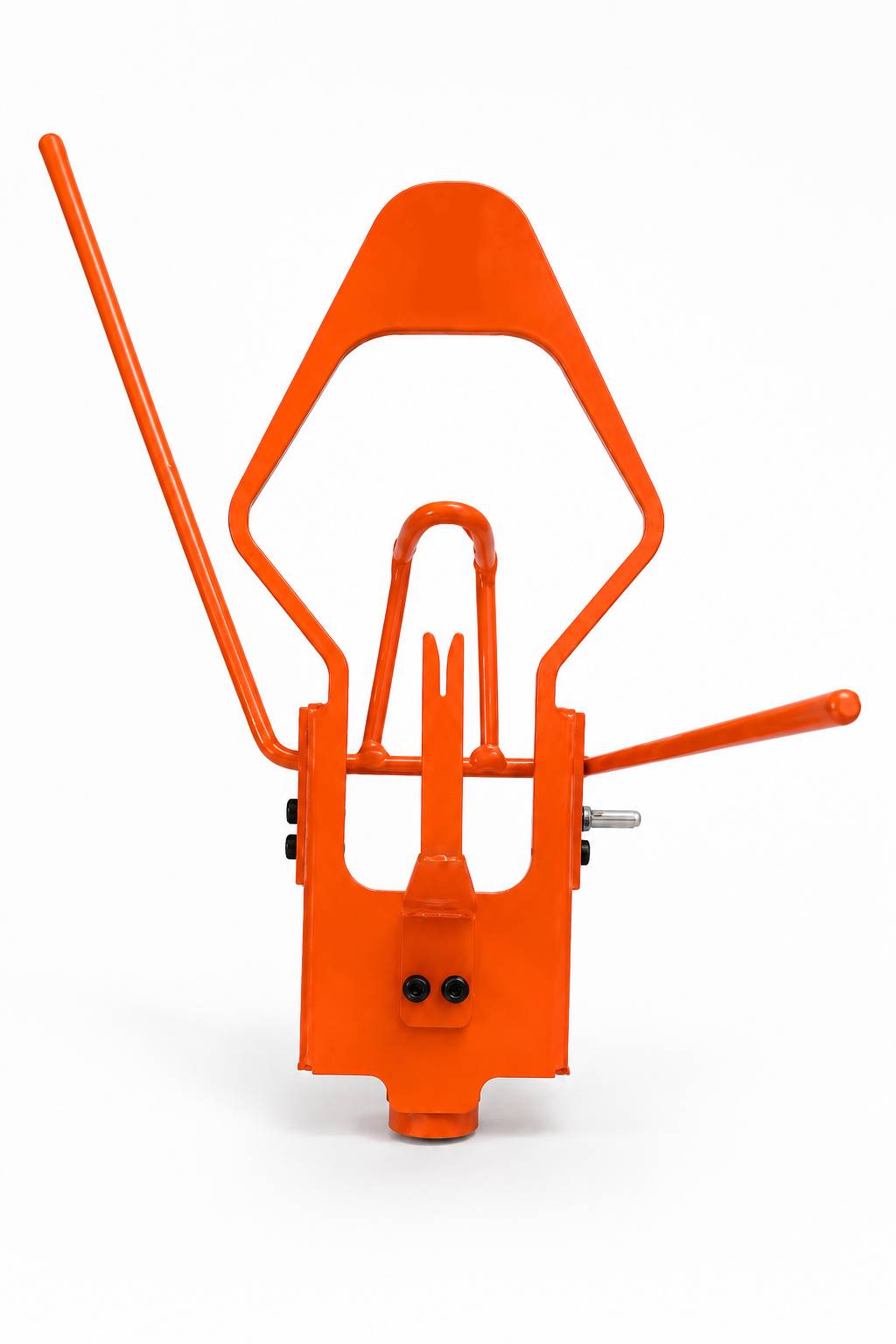
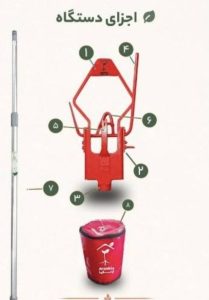

Make high-wire plant twine installation faster, safer, and more manageable with the Telescopic Plant Twine Tying Tool. Designed for greenhouse crops grown on support wires, this practical device helps growers attach and knot support twine at height without repeated ladder use or difficult manual handling.
Suitable for greenhouse tomatoes, cucumbers, peppers, and other vertically trained crops.
| Specification | Details |
|---|---|
| Product Name | Telescopic Plant Twine Tying Tool |
| Alternative Name | Greenhouse Vine Twine Knotting Device |
| Primary Application | Attaching and knotting plant support twine at height |
| Suitable Environment | Greenhouses and protected cultivation systems |
| Handle Type | Adjustable telescopic handle |
| Twine Storage | Thread / twine bag included |
| Use | Greenhouse crop support and vertical training |
| Suitable Crops | Tomato, cucumber, pepper, eggplant, and similar trellised crops |
Installing support twine for plants at height can be physically demanding, slow, and potentially unsafe. In greenhouse production systems, workers often need to attach twine to overhead crop wires while working around plants, irrigation lines, and greenhouse structures.
The Telescopic Plant Twine Tying Tool is designed to simplify this process. It allows greenhouse workers to position, secure, and knot plant support twine at the required height with greater control and less need for climbing equipment.
By supporting a more direct and organized installation process, this greenhouse twine tying device can help reduce physical strain, improve working safety, and make crop-support preparation more efficient.
The Telescopic Plant Twine Tying Tool includes the following parts:
This greenhouse plant tying tool is suitable for operations that require support twine to be attached to overhead wires, including:
Adjust the telescopic handle according to the height of the crop support wire.
Ensure that the handle is securely locked before starting work.
Set the prong in its initial position:
This position helps prepare the device for proper twine placement.
Tie a simple and firm knot a few centimeters below the end of the twine.
The knot helps keep the twine correctly positioned during the tying process.
Place the knotted twine inside the double-fork slot.
Make sure that the knot is located behind the fork so the twine remains securely held in position.
In greenhouse crop production, overhead twine installation is often repeated across many rows and plants. Performing this task manually at height may require more labor, additional equipment, and frequent repositioning.
A dedicated plant twine knotting tool helps make the installation process more consistent and accessible. It is particularly useful where support wires are installed at heights that are not convenient for direct manual tying.
Proper use of the tool can support a cleaner crop-support setup and help greenhouse teams prepare plants for vertical training more efficiently.
Always ensure that the telescopic handle is fully tightened before use. Inspect the prong, fork holder, and twine path before each operation. Use appropriate personal protective equipment and follow your greenhouse safety procedures when working around overhead wires and crop structures.
For product availability, technical details, bulk orders, and purchasing information, please contact the sales team at Maya Dasht Saman.
Don’t miss out on free expert consultation, personalized product guidance, and access to exclusive offers by completing this form! Your information will be kept confidential and secured according to industry standards, and will only be used to provide you with better services. Our experts are ready to assist you.

Reviews
Clear filtersThere are no reviews yet.