
 Persian
 Arabic
 Russian

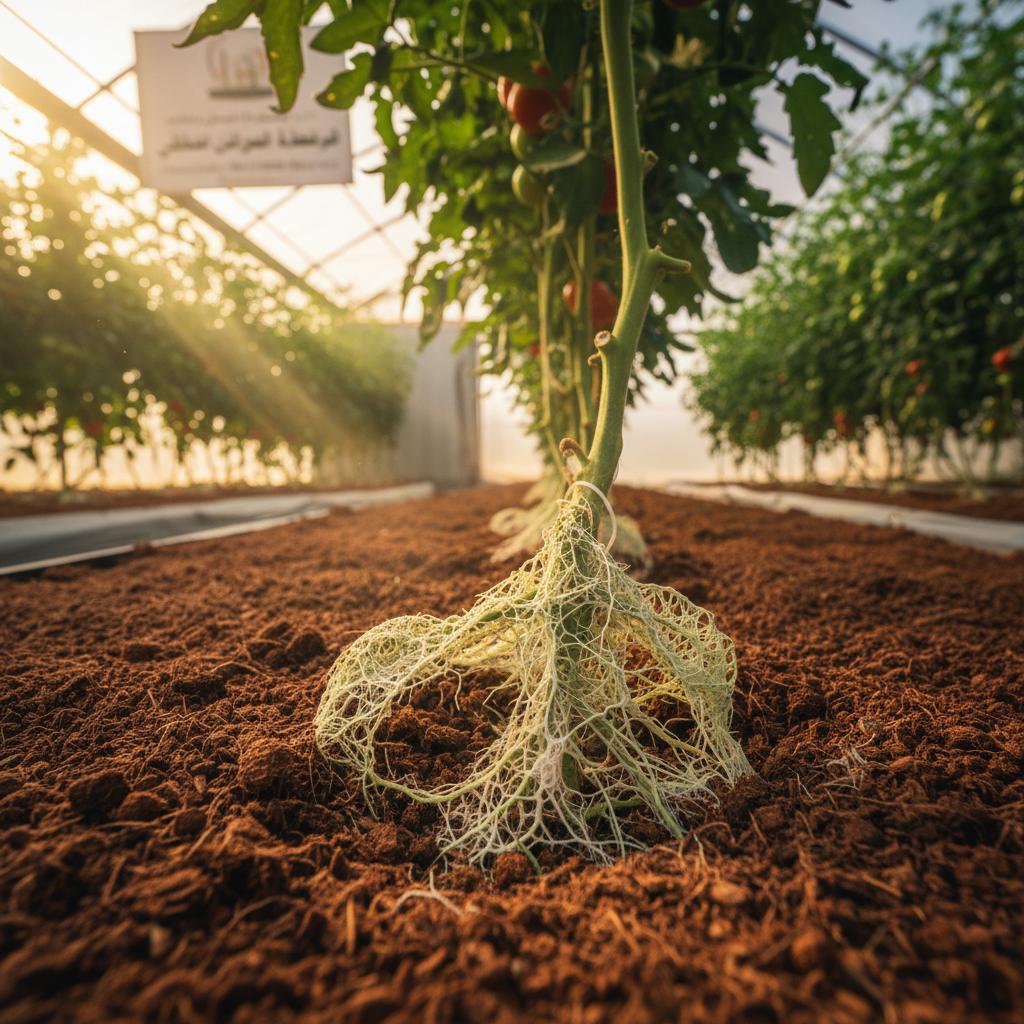
Greenhouse farmers in Iraq often face persistent root diseases such as Fusarium wilt, Pythium root rot, and Rhizoctonia.
These fungal pathogens thrive in the warm, humid conditions common in southern and central Iraq, leading to:
- Stunted plant growth
- Yellowing leaves
- Reduced yields and complete losses in severe cases
But recent agricultural trials in the Middle East reveal a sustainable, cost-effective solution: Cocopeat enriched with Trichoderma.
Why Cocopeat is Ideal for Iraqi Conditions
Cocopeat, made from coconut husk fibers, offers unique properties particularly suited for Iraq’s climate:
- High water retention: Holds 8–10 times its dry weight in water, essential in arid climates and during irrigation shortages.
- Excellent aeration: Prevents waterlogging and promotes healthier root growth.
- Low pathogen load: Commercially processed cocopeat is clean and free from most harmful fungi found in local soils.
These qualities alone make cocopeat a better growing medium than traditional sandy soils in Iraq’s agricultural regions like Basra, Najaf, and Diyala.
The Role of Trichoderma in Protecting Roots
Trichoderma spp. are beneficial fungi that naturally live near plant roots, offering advanced protection:
- Competes for root space, depriving harmful fungi of a foothold.
- Produces enzymes that break down the walls of pathogenic fungi like Fusarium.
- Triggers plant immunity, making crops more resilient to stress and infections.
When cocopeat is pre-inoculated with Trichoderma, the result is a root zone dominated by beneficial microbes — a natural barrier against disease.
Regional Evidence – Middle East Data Applied to Iraq
Field trials in southern Iran and Bahrain, in climates similar to Basra and southern Iraq, showed remarkable results in tomato and cucumber greenhouses using 50% cocopeat + Trichoderma mix:
- Fusarium wilt cases reduced by 60–70%
- Overall crop losses dropped from 20% to under 7%
- Yield increased by 18–25%, with better fruit quality and uniformity
- Fungicide application costs decreased by 140–180 per season per greenhouse
These results are directly applicable to Iraqi greenhouse systems, especially where soil salinity and water scarcity are major issues.
Common Crops in Iraq Benefiting from Cocopeat + Trichoderma
- Tomatoes (greenhouse & open field)
- Cucumbers
- Sweet peppers (Capsicum)
- Strawberries
- Young date palm seedlings in nurseries
Economic Benefits for Iraqi Farmers and Traders
Adopting cocopeat with Trichoderma offers both agronomic and financial gains:
- Lower disease losses → Higher marketable yield
- Reduced chemical fungicide use → Lower input costs
- Faster root establishment → Shorter crop cycles, faster turnover
In regional trials, the profit margin improved by 350–500 per greenhouse per season due to increased yields and reduced chemical use.
For agricultural supply traders in Iraq, stocking premium cocopeat + Trichoderma can meet the growing demand for chemical-free, sustainable farming solutions.
How to Integrate Cocopeat + Trichoderma into Iraqi Farming
- Start in nurseries — Use as seedling media to ensure young plants are already colonized by beneficial fungi.
- Apply in potting mixes — For greenhouse vegetables and ornamentals.
- Combine with drip irrigation — Maintain optimum moisture without overwatering.
📌 Learn more about our Premium Cocopeat Products for Iraqi Farmers – available for fast delivery across Iraq.
Contact us for free consultation on maximizing plant health and profitability.